|
Fake food is everywhere. Food fraud is big and becomes a pandemic. Authorities are understaffed and are unable to do full inspection and testing. Hundreds of food items enter ports in Europe with some of them being banned, other contaminated
Fake food is everywhere starting from planted based trying to imitate meat products food to mislabelled food to contaminated food with pesticides, genetically modified ingredients, and heavy metals. German authorities have discovered rice noodles with genetically modified rice various times this year and last year, meaning that gm ingredients are already on our plate. A company called SOP selling to caterers a product with the title vegetable oil in 20L drums but actually this vegetable oil is genetically modified soybean oil. Thousands of take away shops use this genetically modified soybean oil to fry food everyday. Turkey exports fruits everyday to various countries in Europe and on RASFF one will see that fruits are all contaminated with toxic pesticides. Rice crop harvest suffers from decline in Europe and the new genetically modified rice crops are approved and ready to enter Europe and UK. Climate change is used as an excuse for introducing the genetically modified crops. Inspection authorities indirectly and directly are losing staff, less and less people work in the inspection authorities. Honey is sold in the UK supermarkets for £3 a kilo. All the samples of honey analysed from supermarkets in the UK are fake honey. Authorities pusblished a recent survey about the food fraud but they failed to include honey in the testing regime. This is serious concern. Greek sage (Salvia triloba), oleander (Nerium oleander), rosemary, lavender (Lavandula angustifolia), apple (Malus pumila), and thyme (Thymus vulgaris) are rich in ursolic acid and inhibit both COX-2 and 5-LOX. Ursolic acid is a potent antiinflammatory agent found in plants that are used in the management of certain disease conditions.
Source: https://www.sciencedirect.com/science/article/abs/pii/B9780081020814000150 Our movement is often labeled as “anti-science” by the GMO industry and their allies because we reject their harmful technologies: Patented, genetically engineered seeds, toxic agrichemicals, and the resulting toxic food-like products. GMO foods and pesticides are approved by our government regulatory agencies based on secret, unpublished, non-peer-reviewed studies produced by the corporations. We’re calling for more transparency and more science. Who is anti-science? That would be Bayer-Monsanto and the GMO/agrichemical industry. We’ve assembled over 100 published rodent feeding studies that find harm from glyphosate-based Roundup Ready and Bt toxin insecticide-producing varieties of genetically modified foods that are on the market today and in our food supply. Harmful effects include: Stomach barrier damage, increased risk of intestinal infections, high cholesterol, high blood sugar; reproductive issues including lower birth weight and increased mortality of offspring; organ disturbances in the pancreas, liver, kidneys, adrenal glands, ovaries and testes; other disturbances including disturbances to the immune system, blood biochemistry and functioning of the digestive system. Anyone still saying that GMOs are perfectly safe is a science denier. The following is a list of 102 studies. You can find these studies and more in the GMO Research database at www.GMOResearch.org. Copy and paste the title of the study into the search bar to find it in the database. 1. E. Abdo, O. Barbary and O. Shaltout, “Feeding Study with Bt Corn (MON810: Ajeeb YG) on Rats: Biochemical Analysis and Liver Histopathology,” Food and Nutrition Sciences, Vol. 5 No. 2, 2014, pp. 185-195. 2. Ahrorovna, K.D., 2021. Age-related morphofunctional features of changes in the thymus gland of experimental animals under the influence of genetically modified product. Middle European Scientific Bulletin, 11(1). 3. Alba NA, В. Kuz’micheva LV, Е. В. Zinoviev EV (2012) Impact of GM soy on a protein-lipid composition of the blood of animals. International Journal of Applied and Fundamental Research №2, 2012 ISSN 1996-3955 4. Aledo, M.M., & Kalganov, S.A. (2019). Biochemical blood parameters of mice when introduced into the diet of GM corn. In In the world of scientific discoveries: proceedings of the III International Student Scientific Conference. May 22-23, 2019-Ulyanovsk: UlGAU, 2019.-T. V, Part 1 .. UlGAU. 5. Amoh C. Morphometrical peculiarities of kidney’s canalicular epithelium of 2nd generation of rats due to presence of gmo-soya in foods 5th International Scientific Interdisciplinary Conference (ISIC) for medical students and young doctors, Kharkiv, April 25-26, 2012 : Abstract book. – Kharkiv, 2012. P 15-16. 6. Anisina O.S., Medvedeva M.V. (2016) INFLUENCE GM SOY FEED LINE 40.3.2. AND CHRONIC EXPOSURE TO LOW DOSES OF EMR ON THE ORGANISM OF WHITE RATS. Fundamental and applied aspects of the feeding of agricultural animals and forage technology [text]: Conference materials on 120 anniversary of M. Tommje, (14-16 June, 2016, p. Sunderland). -Sunderland: Look them. L.K. Ernst, 2016. (pp. 297-300). 7. L.M. Baranchugova, V.I. Obydenko (2015). The influence of soybeans on morphofunctional indicators of some rat bodies in the experiment. Science and World, 113. ISSN 2308-4804 8. Battistelli S., Baldelli B., Malatesta M. (2008), Influence of a GMO-containing diet on pancreatic acinar cells of adult mice: effects of a short-term diet reversion, “Microscopie”, 10, pp. 36-43 9. S. Battistelli, B.Citterio, B. Baldelli, C. Parlani, and M. Malatesta (2010) Histochemical and morpho-metrical study of mouse intestine epithelium after a long term diet containing genetically modified soybean Eur J Histochem. September 26;54(3): e36 10. Brasil FB, Soares LL, Faria TS, Boaventura GT, Sampaio FJ, Ramos CF.(2009) The impact of dietary organic and transgenic soy on the reproductive system of female adult rat. Anat Rec(Hoboken).292(4):587594. 11. Chorna I. V., Dronik G. V., Davydenko I. S. (2018) HISTOLOGICAL STUDY OF THE LIVER OF RATS CONSUMING GENETICALLY MODIFIED SOYBEAN, PROCESSED WITH HERBICIDE “ROUNDUP”. Odesa National University Herald. Biology. 2018. Vol. 23, no. 2 (43). ISSN 2077-1746 12. Chorna, I. (2019) The structural and functional state of kidneys of two generations of rats in the use of glyphosate-resistant genetically modified soybean and herbicide “Roundup” ScienceRise: Biological Science, (1 (16)), 25-29. 13. Chorna, I. V., Dronik, G. B., Lukashiv, T. O., & Yuzkova, V. D. (2019a). Oxidatively modified proteins in kidneys of rats fed with glyphosate-resistant genetically modified soybean and the herbicide Roundup. Regulatory Mechanisms in Biosystems, 10(3), 319-325. 14. B Cisterna, F Flach, L Vecchio, SML Barabino, S Battistelli, TE Martin, M Malatesta, M Biggiogera (2008) Can a genetically modified organism-containing diet influence embryonic development? A preliminary study on pre- implantation mouse embryos. Eur J Histochem. 2008 Oct-Dec;52(4):263-7. 15. Joël Spiroux de Vendômois, François Roullier, Dominique Cellier, Gilles-Eric Séralini (2009) A Comparison of the Effects of Three GM Corn Varieties on Mammalian Health Int J Biol Sci; 5(7):706-726. 16. C. K. Didi (2015). The influence of genetically soybeans on the offspring of Japanese mice. XII Far Eastern Youth Ecological Conference-Competition “Man and Biosphere”. Pages 12-13 17. Egamberganovich, A.J., 2020. Influence of A Genetically Modified Organism on The Rat’s Hepatobiliary System. European Journal of Molecular & Clinical Medicine, 7(6), pp.2157-2164. 18. Egamberganovich, A.J., 2021, March. EVALUATION OF THE EFFECT OF A GENETICALLY MODIFIED PRODUCT ON THE MORPHOLOGICAL PARAMETERS OF THE LIVER OF LABORATORY ANIMALS. In Archive of Conferences (Vol. 17, No. 1, pp. 114-118). 19. Eissa, M. I., El-Sherbiny, M. A., Ibrahim, A. M., Abdelsadik, A., Mohamed, M. M., & El-Halawany, M. S. (2019). Biochemical and Histopathological studies on female and male Wistar rats fed on genetically modified soybean meals (Roundup Ready). The Journal of Basic and Applied Zoology, 80(1), 54. 20. Thanaa A. El-Kholy, Mohammad Abu Hilal, Hatim Ali Al-Abbadi, Abdulhalim Salim Serafi, Ahmad K. Al-Ghamdi, Hanan M. Sobhy and John R. C. Richardson (2014) The Effect of Extra Virgin Olive Oil and Soybean on DNA, Cytogenicity and Some Antioxidant Enzymes in Rats. Nutrients, 6(6), 2376-2386 21. Thanaa A. F. El-Kholy, Hatim A. Al-Abbadi, Dina Qahwaji, Ahmed K. Al-Ghamdi, Vishal G. Shelat, Hanan M. Sobhy and Mohammad Abu Hilal (2015) Ameliorating effect of olive oil on fertility of male rats fed on genetically modified soya bean. Food & Nutrition Research 2015, 59: 27758 22. El-Shamei, Z. S. et al. Histopathological Changes in Some Organs of Male Rats Fed on Genetically Modified Corn (Ajeeb YG). Journal of American Science, 2012;8(10) 23. V.V. Ermakov (2012). Microbiological identification microbiocenosis and the immune status of laboratory rodents while feeding them genetically modified fodder. Proceedings of the Samara State Agricultural Academy, 1201238.) 24. Ermakova IV (2006) Genetically modified soy leads to weight loss and increased mortality of pups of the first generation. Preliminary studies. EkosInform. Federal Environmental Law Gazette. a | -1,, p. 4-10. 25. Ermakova IV (2007) New data on the impact of GMOs on physiological state and the higher nervous activities mammals. All-Russia Symposium TRANSGENIC PLANTS AND BIOSAFETY Moscow, October 22 – 25, pages 38-39 26. Irina Ermakova (2007) GM soybeans—revisiting a controversial format NATURE BIOTECHNOLOGY VOLUME 25 NUMBER 12 DECEMBER 1351-1354 27. Ermakova IV, IV Barskov (2008) Study of the physiological and morphological parameters in rats and their offspring using a diet containing soybean transgenic EPSPS CP4. Modern problems of science and education. 6. p.19-20. ISSN-1817-6321 28. Ermakova IV (2009) Influence of soybean gene EPSPS CP4 on the physiological state and reproductive functions of rats in the first two generations. Modern problems of science and education. Number 5, p.15-20. ISSN-1817-6321 29. Finamore A, Roselli M, Britti S, Monastra G, Ambra R, Turrini A, Mengheri E. (2008) Intestinal and peripheral immune response to MON810 maize ingestion in weaning and old mice. J Agric Food Chem. Dec 10;56(23):11533-9. 30. Gab-Alla, A. et al. (2012) Morphological and Biochemical Changes in Male Rats Fed on Genetically Modified Corn (Ajeeb YG). Journal of American Science, ;8(9) 31. M. Goldenberg (2012) Features of secretion of sex hormones in female rats when used in diet of genetically modified soybeans. Interuniversity Conference of Young Scientists and students (Kharkiv 17 – 18 January 2012) Page 6 32. Т. V. Gorbach, I. U. Kuzminа, G. I. Gubina-Vakulik, N. G. Kolousova (2012) Hormonal Regulation of Sexual Function and Ovarian Histological Features in the Experiment With GMO-Soya Use in Food. Tavricheskiy Mediko-Biologicheskiy Vestnik 2012, Volume 15, № 2, Part 2 (58) pages 235-238 33. T. V. Gorbach, G. I. Gybina-Vakulyck, S. A. Denisenko (2016) Influence of Genetically Modified Soy in Experimental Animals Diet on the Metabolism and Histology of Liver and Kidneys. Problems of aging and longevity 2016, 25, № 1. – С. 80—86 ISSN:0869-1703 34. Gubin-Vakulik, S.A. Denisenko, T.V. Gorbach, N.G. Kolousova, T.M. Popova (2012) Morphofunctional State of Adrenal Gland in Female Wistar Rats With Genetically Modified Soy Inclusion in the Diet. Tavrichesky Life Sciences Bulletin 2012, Volume 15, № 3, Part 1 (59) pages 85-88 35. GI-Gubin Vakulik, T.V. Gorbach, N.G. Kolousova, HS, Gopkalov (2013) The Metabolic and Histological Changes of Kidneys in Female Rats and the First Generation After Consumption of Genetically Modified Soybeans. Scientific Statements Series Medicine. Pharmacy. 2013. № 11 (154). Issue 22 pages 150-155. ISSN 2075-4728 36. G.I.Gubina-Vakulik, T.V.Gorbach, S.A.Denisenko, V.V.Kalyan, N.G.Kolousova (2013b) Adaptive Changes Morphofunctional Condition of the Adrenal Glands and Thymus When Using Genetically Modified Soy in the Diet in Experiment. Conference: Achievements and Prospects of Experimental and Clinical Endocrinology 2013. – P. 44-45. Khnmu, Kharkov. 37. G.I. Gubina-Vakulik, S.A. Denisenko, T.V. Gorbach, N.G. Kolousova, A.V. Andreev (2014) Morphofunctional Adrenal State in Adults Descendants With the Diet by Genetically Modified Soy. Experimental and Clinical Medicine. 2014. № 2 (63) 38. Gubina-Vakulìk, g. i., Gorbach, t. v., Denisenko, s. a., & Hookah, v. v. (2017). Morphological features of immune organs of female rats by long-term use of genetically modified soybean. Innovative technology in medicine: experience of Poland and Ukraine. Pages 158-162 39. Ibrahim, M. A., & Okasha, E. F. (2016). Effect of genetically modified corn on the jejunal mucosa of adult male albino rat. Experimental and Toxicologic Pathology, 68(10), 579-588. 40. Serdar Karakuslu (2014) The Investigation of the Potential Effects of Genetically Modified (GMO) Maize (Zea mays L.) on Swiss Albino Mice. June 2014, 25 Pages 41. Karawya, F. S. (2016). Structural changes in pancreatic acinar cells and β-cells of rat fed with genetically modified corn. Journal of Experimental and Clinical Anatomy, 15(2), 77. 42. Kiliç A, Akay MT. (2008) A three generation study with genetically modified Bt corn in rats: Biochemical and histopathological investigation. Food Chem Toxicol. 2008 Mar;46(3):1164-70. 43. Hasan Kiliçgün, Cebrail Gürsul, Mukadder Sunar, Gülden Gökşen (2013) The Comparative Effects of Genetically Modified Maize and Conventional Maize on Rats J Clin Anal Med ;4(2): 136-9 44. MA Konovalova, VA Blinov (2006) Influence of genetically modified soybean in mice and their offspring . Commercial Biotechnology 2006 45. Konovalova MA, Potemkin EG (2007) Influence of genetically modified soybean on transport of carbohydrates in tissue. 46. V.O.Korobchansky, A.I. Gerasimenko, T.V.Gorbach, T.O. Ivanenko (2012) Investigation of the influence of food consumption with genetically modified components on the biochemical parameters of blood under conditions of chronic gastroenterocolitis / Ecology and technogenic safety. Protection of water and air basins. Waste Disposal: Sat scientific Works of the XXth Anniversary International Scientific and Technical Conference, Berdiansk, June 11-15, 2012 – Kharkov, 2012. – P. 523-530. 47. Kotsyumbas G. I., Samsonyuk IM. (2013) Microbial Composition Large Intestine Rat First and Second Generation Under the Influence Genetic modification SDI. International Scientific and Practical Conference in the XXIII International Specialized Exhibition “Agrocomplex 2013” Page 207-210. 48. G. Kotsjumbas, I. Samsonjuk, M. Shkilj (2017) Reproductive capacity and structural and functional status rats uterus that consumed feed containing 20% GM-soy. Lviv National University of Veterinary Medicine and Biotechnologies named after S. Z. Gzhytskyj Vol 19, No 73 49. Krasnikova, E. S., Karmeeva, Y. S., Aledo, M. M., Krasnikov, A. V., & Kalganov, S. A. (2019, August). Hemato-biochemical status of laboratory mice with a GM corn based diet. In IOP Conference Series: Earth and Environmental Science (Vol. 315, No. 4, p. 042005). IOP Publishing. 50. Kukushkina M. (2013) Hormonal regulation of sexual functionin experiments using genetically modified soybean in food. Biodiversity.Ecology. Adaptation. Evolution.» Odessa, 2013 Pages 176-177 51. Kulik Y. M., Rautskiene V. T., Obertiukh Y. V., Khimich O. V. (2015). The Presence in the Offspring of Rats Unidentified Factor Transgenic Soy at its Feeding Over Several Generations. Bulletin issues of biology and medicine (4 (1)), 105-109. 52. Kutsan A.T., Shevtsova G.N., Roman’ko M.Ye., Orobchenko O.L., Gerilovich I.O.(2013) Status Of Indicators Of Protein and Nucleic Acid Metabolism In Plasma Laboratory Animals In Long-Term Feeding With Genetically Modified Soybean. Veterinary Medicine, No. 98 pages 445-447. ISSN 0321-0602 53. Long, W., Wang, H., Li, W., Shen, X., Bai, J., Wang, D., Wang, X., Fan, S. and Zhou, Z., 2013. A Novel Approach for Evaluation of Food Functions and Safety Applied in RR GM Soybeans. Agricultural Biotechnology, 2(3), p.5. 54. Long Wei, Shen Xiu, Zhou Xiao-Liang, Wang De-Zhi, Fan Sai-Jun, Wang Xiao-Guang, Zhou Ze-Wei (2014) Evaluation on edible safety of genetically modified soy oil by novel system. Journal of Food Safety and Quality Vol. 5 No. 8 55. Wei Xiaolong Liu Li Deng Yaling Tang Yadi Zhu Zhenglan (2015) Effects of genetically modified feed on reproductive system of male mice. Gansu Animal Husbandry and Veterinary Medicine. 魏小龙, 刘立, 邓亚玲, 汤雅迪, & 朱正兰. (2015). 转基因饲料对雄性小鼠生殖系统的影响. 甘肃畜牧兽医, 45(7), 24-26. 56. Magaña-Gómez JA, Cervantes GL, Yepiz-Plascencia G, de la Barca AM. (2008) Pancreatic response of rats fed genetically modified soybean J Appl Toxicol. Mar;28(2):217-26. 57. Malatesta M, Caporaloni C, Gavaudan S, Rocchi MB, Serafini S, Tiberi C, Gazzanelli G. (2002) Ultrastructural morphometrical and immunocytochemical analyses of hepatocyte nuclei from mice fed on genetically modified soybean. Cell Struct Funct. Aug;27(4):173-80. 58. Mandygra, M., Doletskyi, S., Kutsan, O., Shevtsova, G., Romanko, M., Orobchenko, O., & Herilovych, I. (2018). Studying influence of gene-modified soya of line MON 89788 on an organism of laboratory animals. 59. Manuela Malatesta, Chiara Caporaloni, Luigia Rossi, Serafina Battistelli, Marco BL Rocchi, Francesco Tonucci, and Giancarlo Gazzanelli (2002) Ultrastructural analysis of pancreatic acinar cells from mice fed on genetically modified soybean J Anat. November; 201(5): 409–415 60. Malatesta M., Biggiogera M., Manuali E., Rocchi M.B., Baldelli B., Gazzanelli G.(2003) Fine structural analysis of pancreatic acinar cell nuclei from mice fed on GM soybean. Eur J Histochem. 47,3858. 61. Malatesta M, Tiberi C, Baldelli B, Battistelli S, Manuali E, Biggiogera M. (2005) Reversibility of hepatocyte nuclear modifications in mice fed on genetically modified soybean. Eur J Histochem. Jul-Sep;49(3):237-42. 62. Malatesta M, Boraldi F, Annovi G, Baldelli B, Battistelli S, Biggiogera M, Quaglino D. (2008) A long-term study on female mice fed on a genetically modified soybean: effects on liver ageing. Histochem Cell Biol. Nov;130(5):967-77. 63. Maligin AG, Ermakova IV (2008) Soy diet suppresses reproductive function rodents. Modern problems of science and education № 6. (Annex “Biological sciences”).- C. 26. ISSN 1817-6321 64. М.V. Medvedeva, О.S. Anisina (2017) GENETICALLY MODIFIED SOYBEAN LINE 40.3.2. IN THE RATION OF WHITE LABORATORY RATS. Proceedings IV of the International Scientific Conference on the 55-year postgraduate “Federal Center for Animal Health”on 6 December 2016 pages 223-229 65. Nazarova AF, Ermakova IV (2010) Effect of soy diet on reproductive function and testosterone levels in rats and hamsters. In the world of scientific Discoveries, 2010, No. 4 (10), Part 1 66. SG Nimbueva, R. Shirokov, SA Polyakov, SD Evgaldaev (2012) Influence of long term use of genetically modified soybeans on some morphofunctional indicators in pancreas of rats in the experiment. Articles XVII International Ecological Student Conference “Ecology Russia and adjacent territories “: in 2 volumes. Volume 2 / Novosibirsk State. Univ. Novosibirsk, 2012. Pages 119-120. 67. Nimbueva SG, Shirokov RE, Polyakov SA (2012) Effects of Long-Term Use of Genetically Modified Soybean on the Morphology Striated Muscle Tissue of Rats in an Experiment. Medicine of Tomorrow: Articles XI regional interuniversity scientifically-practical Conference of Young Scientists, Chita, 25-28 April, 2012 page 139-140. 68. Nimbueva SG, Shirokov RE, Polyakov SA (2012) Effects of Long-Term Use of Genetically Modified Soybeans on Reproductive Function of Rats. Medicine of Tomorrow: Articles XI regional interuniversity scientifically-practical Conference of Young Scientists, Chita, 25-28 April, 2012 page 140. 69. Nimbueva SG, Shirokov RE, Polyakov SA (2012) Influence of Genetically Modified Soybean Morphology of Some of the Digestive System in the Offspring of Rats. National Baikal Scientific and Practical Conference Young Scientists and Students With International Participation “Current Issues Modern Medicine »Irkutsk, 23-25 April 2012. Page 27 -28 70. Nuraliyev N. A., Sobirova D. R., Baltaeva K., Ginatullina E. N. (2017). Effect of genetically modified product on reproduction function, biochemical and hematology indexes in experimental study. European science review, (1-2). ISSN 2310-5577 71. Nuraliev, N.A. and Kh, A.A., 2021. Estimation and Assessment of Cytogenetic Changes in Bone Marrow Cells of Laboratory Animals Received a Gene-Modified Product. Annals of the Romanian Society for Cell Biology, pp.401-411. 72. N.M. Omelchenko, GV DRONIK (2017b) INFLUENCE OF NATIVE AND GENETICALLY MODIFIED SOY IN THE COMPOSITION OF FEEDINGS ON THE MASOMETRIC INDICES OF THE RATS OF INTERNAL ORGANISMS. Theory and practice of topical research: Materials of the International Scientific and Practical Conference (Kiev, August 25-26, 2017) / NGO “Institute of Innovation Education”; Scientific and Training Center of Applied Informatics of the National Academy of Sciences of Ukraine. – Kyiv: NGO “Institute of Innovation Education”, 2017 – 68 c. Page 61 – 62 73. Omelchenko, N. N., Dronik, G. V., WINKLER, I., ROGOZYNSKYI, M., & KUCHERIAVA, V. (2017a). THE INFLUENCE OF REGULAR AND GENETICALLY MODIFIED SOYBEANS ON POSTNATAL DEVELOPMENT OF RATS. Food and Environment Safety Journal, 16(4). 74. Omelchenko, N., & Dronik, G. (2018). Вплив генетично модифікованої сої на постнатальний розвиток щурів третього покоління. Біоресурси і природокористування, 10(5-6), 62-67. 75. Omelchenko, N. N., Dronyk, H., & Kucheriava, V. (2018). CHANGES OF MASOMETRIC INDEXS OF INTERNAL ORGANS RATS IN THE EXERCISED OF NATIVE AND GENETICALLY MODIFIED SOYBEAN IN THE COMPOSITION OF FEED. Науковий журнал «Біологічні системи: теорія та інновації», (287), 44-52. 76. Omelchenko, N., Kucheriava, V., & Dronyk, H. (2019). Постнатальний розвиток щурів четвертого покоління при вживанні трансгенної сої та під впливом наночастинок аргентуму. Наукові доповіді НУБіП України, (2 (78)). 77. Hanaa Oraby, Mahrousa Kandil, Nermeen Shaffie, Inas Ghaly (2014) Biological impact of feeding rats with a genetically modified-based diet. Turk J Biol (2014) 38: 78. Patejuk, A. v., & Kohat, S. T. (2014). Disorders of some physiological and morphological indices in mammals with the food of genetically modified soybeans. SĂNĂTATE Publică, ECONOMIE ŞI MANAGEMENT ÎN medicină, 18 (121), 131-133. 79. Pavlovskaya, N.E., Lushnikov, A.V., Polekhina, N.N., Solokhina, I. Yu., & Gneushev, I.A. (2018). The effect of genetically modified soy on body weight and reproductive activity of white laboratory mice. Bulletin of Science and Education of the North-West of Russia , 4 (2). 80. RAVSHANOVNA, S. D., ABDULLAYEVICH, N. N., & FURKATOVNA, T. S. Assessment of the Influence of the Food Product of GMO on the Sexual Function and Are Biochemical Research White Laboratory Outbreed Rats. JournalNX, 6(05), 38-40. 81. Samsonyk I., Kocumbas G.I, Levuckuj T.R.(2012) Hematological and Biochemical Indexes Blood Whey`s Rats of First Generation, Which Fed Soy With GMO. Scientific Messenger of Lviv National University of Veterinary Medicine and Biotechnologies Volume 14, number 2 (52) Part 1, 2012 Pages 156-160 82. Samsonyk I.,Stronskyi U. (2013) Biochemical Indexes Blood Whey`s Rats of Three Generation, Which Fed Soy With GMO. Scientific Messenger of Lviv National University of Veterinary Medicine and Biotechnologies. Volume 15 number 3 (57) Part 2, 2013 Pages 279-282 83. I. M. Samsonyuk (2013) Structural and Functional State of the Gastrointestinal Tract Rat`s First Generation of Feeding Traditional and Genetically Modified Soybeans. Scientific and Technical Bulletin of the Institute of Animal Biology and State research control institute of veterinary preparations and feed additives. Vol. 14, № 3-4 Pages 238-243 84. I. M. Samsonuyk, G. I. Kotcumbas (2014) Ultrastructural Characteristic of Rats Liver of the Third Generation With the Influence of Genetically Modified and Traditional Soybean. Animal Biology 2014, т. 16, № 2 85. T. Sarbakanova, ZA Latypova, B. Zh. Anajtova, M. Zh. Kenzhebaeva (2014) Influence on GMO Animal Reproduction. Bashkir GAU 2014 pages 395-397 86. Sh.T. Sarbakanova, Z.A. Latypova, M.Zh. Kenzhebaeva, K.T. Kasymova (2014) Study the Influence of GMO Contained in Animal Feed on Biochemical and Hematological Indices of Rats in the Third Generation. Veterinary Science Modern Theoretical and Practical Matters. Volume LX Page 190-194 87. Sarbakanova St, Latypov Z, Kenzhebaev Maigul (2013) Action of transgenic soybeans on prenatal development of Offspring (F3) Laboratory Rats LLP. Science and education in the XXI century collection of scientific papers on materials of the International Scientific-Practical Conference. Pages 104-105 88. Sarbakanova Sh.T., Karabekova SS, Latypova ZA, Kenzhebaeva M.Zh., Kasymova KT, Omarbek NS, Munalbaeva AA (2015) STUDY OF FUNCTIONAL-REPRODUCTIVE TOXICOLOGY OF SOYBEAN SODAY CONTAINING 5%GENETICALLY MODIFIED SOYU, IN EXPERIMENTS ON ANIMALS. INTEGRATION OF SCIENCE AND PRACTICE TO ENSURE VETERINARY WELL-BEING. Pages 215-218 89. Séralini GE, Cellier D, de Vendomois JS.(2007) New analysis of a rat feeding study with a genetically modified maize reveals signs of hepatorenal toxicity. Arch Environ Contam Toxicol. May;52(4):596-602. 90. Gilles-Eric Séralini, Emilie Clair, Robin Mesnage, Steeve Gress, Nicolas Defarge, Manuela Malatesta, Didier Hennequin and Joël Spiroux de Vendômois (2014) Republished study: long-term toxicity of a Roundup herbicide and a Roundup-tolerant genetically modified maize. Environmental Sciences Europe , 26:14 91. Sobirova D.R., Nuralieva H.O. 2016. ASSESSMENT OF THE IMPACT OF EATABLE PRODUCTS PRODUCED USING NEW TECHNOLOGIES ON SEXUAL FUNCTION OF EXPERIMENTAL ANIMALS. Гигиена, профпатология и риски здоровью населения (pp. 303-305). 92. D.R. Sobirova, N.A. Nuraliyev, E.N. Ginatullina (2017) Result of research of mutagenic activity of a genetically modified product in experiments on laboratory animals. Safety of Human Health. No.1 ISSN: 2500-3852 93. AV Surov, NY Feoktistov, MV Ushakov, AV Gureeva (2010) Changing the physiological parameters of mammals feeding genetically modified ingredients of vegetable origin. Institution of the Russian Academy of Sciences Institute of Ecology and Evolution behalf ANSevertsov RAS (IEE RAS) 94. Taheri, H., 2020. The effects of genetically modified oil consumption on biochemical and histological changes of tissues in rats (Doctoral dissertation, Tabriz University of Medical Sciences, Faculty of Nutrition and Food Sciences). 95. Vecchio L, Cisterna B, Malatesta M, Martin TE, Biggiogera M. (2004) Ultrastructural analysis of testes from mice fed on genetically modified soybean. Eur J Histochem. Oct-Dec;48(4):448-54. 96. Janaína Guimarães Venzke, Andréa Ramos Rocha, Vinicius Coitinho Tabeleao, Márcia Feltrin Dias, Cristina Geveln Fernandes, Leonor Almeida de Souza Soares (2006) Hematological, biochemical and histo-pathological evaluation of the transgenic corn and Cry1Ab protein effect on mice diet. 65f.Dissertação (Mestrado) – Programa de Pós-Graduação em Biotecnologia Agrícola. Universidade Federal de Pelotas, Pelotas.pages 50-68 97. Ruwan Wang (2017) The effect of genetically modified feed on structure of mice testes. Livestock and Poultry Industry. No.6 6-7 98. Wei Xiaolong, Liu Li, Deng Yaling, Tang Yadi, & Zhu Zhenglan. (2015). Effects of genetically modified feed on the reproductive system of male mice. Gansu Animal Husbandry and Veterinary Medicine, 45(7), 24-26. 99. Irena M Zdziarski, John W Edwards, Judy Carman, Adrian Jones, Marni Spillanie, Ysabella Van Sebille, Julie I Haynes (2012) GM feed and its effect on the stomach mucosa of rat. 6th Australian Health and Medical Research Congress 2012 100. Zdziarski, I. M. (2016) Does transgenic feed cause histopathological changes in rats? Thesis (Ph.D.) — University of Adelaide, Adelaide Medical School, 2016. 101. Irena M. Zdziarski, Judy A. Carman, John W. Edwards (2018) Histopathological Investigation of the Stomach of Rats Fed a 60% Genetically Modified Corn Diet. Food and Nutrition Sciences Vol.09 No.06(2018), Article ID:85687,34 pages 10.4236/fns.2018.96058 102. Zhou Ze-wei et al. (2012) Comprehensive Evaluation on Functions & Safety of Imported GM Soybean Using BDI-GS System Soybean Science Oct. Vol. 31 No 5 Source: Toxin Free USA : website
A quick view on RASFF window shows that 9 in 50 foods are contaminated with pesticides, heavy metals, PAH and various other toxic compounds. We keep saying that the food is deteriorating as EU and UK have loosened the safety standards across the supply chain. According to Obloni, J. Nyarko Food Fraud in the EU: Analysis of Reports in the Rapid Alert System for Food and Feed, https://thesis.unipd.it/handle/20.500.12608/51738, ''the United Kingdom emerged as a focal point with 31.8% of all food fraud notifications, followed by Italy (9.0%). China and India were identified as the predominant origins of food fraud, constituting 16.94% and 11.96% of the reported cases, respectively'' 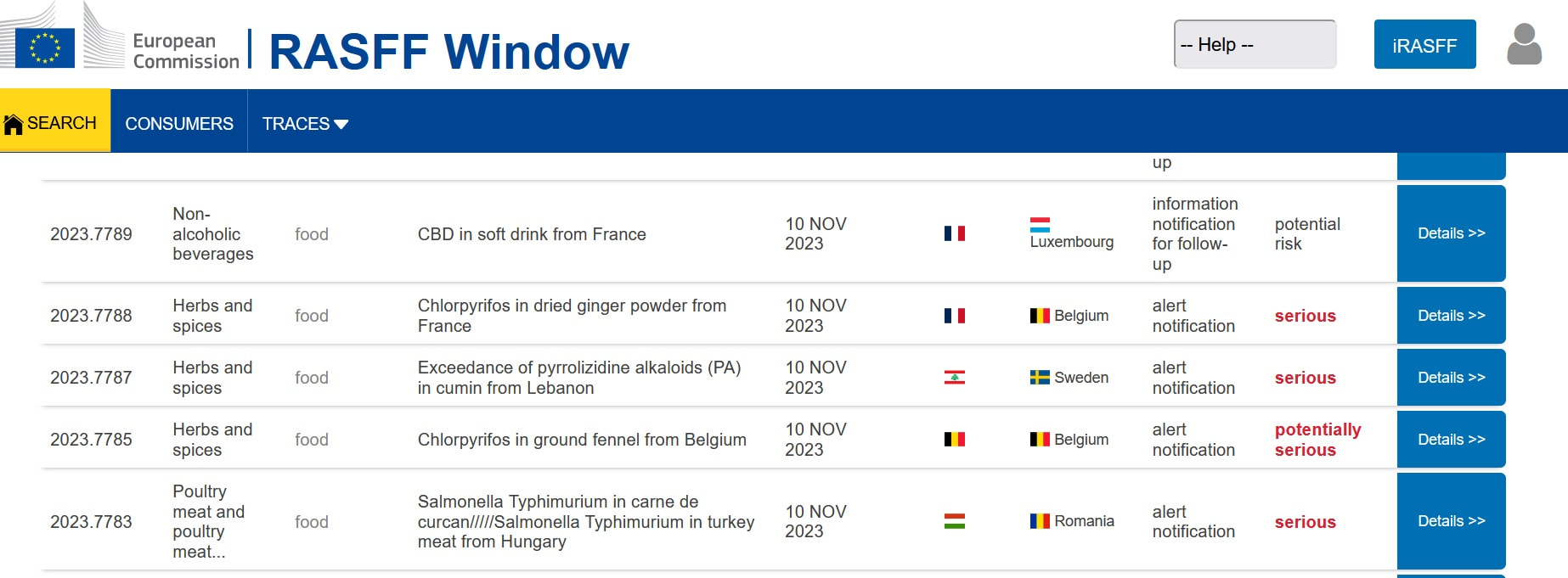 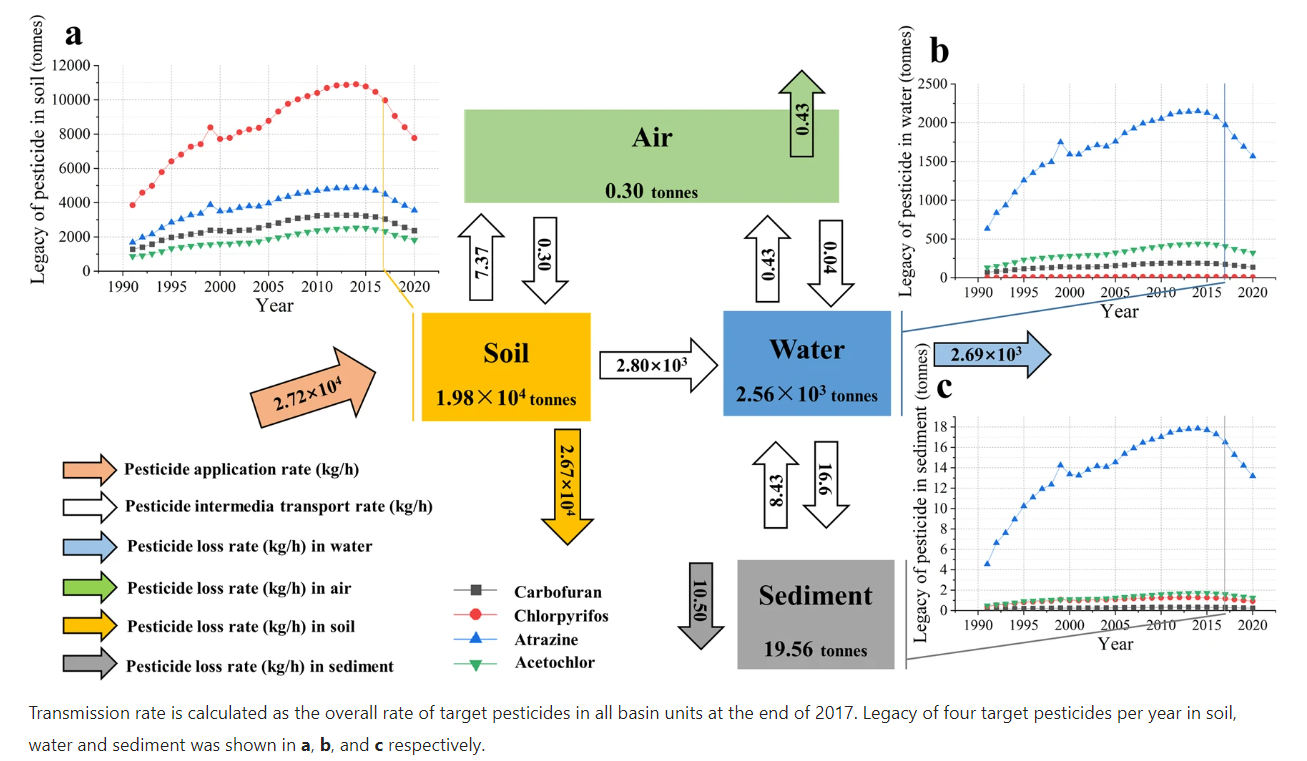 https://www.nature.com/articles/s41545-022-00202-0/figures/1 https://www.nature.com/articles/s41545-022-00202-0/figures/1 Nitrogen fertilizer is well known agriculture chemical and with huge negative environmental impact. To produce one kilogram of pesticide requires 10 times more energy usage than 1 Kg of nitrogen fertilizer. This energy is produced from either nuclear energy, or the so called non-renewable sources as such as wind turbine and water movement. According to Grist article, sulfuryl fluoride, a fumigant, a very toxic gas, used to control a wide variety of pests, including termites, powder post beetles, old house borers, bedbugs, carpet beetles, moths, cockroaches, rats and mice are themselves greenhouse gases: emitting one ton of sulfuryl fluoride is the equivalent of emitting nearly 5,000 tons of CO2, let alone all the other gases emitted in the atmosphere such as NOx, CO, Polycyclic aromatic Hydrocarbons, and the toxic solid left from its production. California uses nearly 20 percent of the pesticides applied annually across the United States. According PAN UK: ''The harmful effects of pesticides on soil organisms ranged from molecular to community levels, including impacts on mortality, reproductive function, richness and diversity, abundance, behaviours like feeding, burrowing, and decomposition, growth, biochemical biomarkers, and body structure.'' (*5) What does China use? ''China has just 7% of the world's arable land, but uses up to one third of global consumption of chemical fertiliser. And this usage per unit is 2.7 times higher than the world average (China Energy News)*1 ''About 1.77 million tonnes of agricultural pesticides were applied in China, constituting about 42% of the total use globally in 2019'' (*4) ''High levels of chemical pesticides and fertilisers are used to produce crops on China's small, heavily-exploited plots, but overuse can degrade the soil and pollute water, while improper use can cause contamination and hurt biodiversity'' 1 ''It has been reported that more than 150 million miles of China’s farmland are contaminated. Since the discovery of dichloro-diphenyl-trichloroethane (DDT) and hexachlorocyclohexane (BHC), their excessive and persistent application has led to severe environmental pollution and human health risks'' *3 Below a few pesticides are quoted for the serious health effects on humans (*3): -Cyfluthrin is in a group of man-made insecticides and is widely used in homes, outdoors, and in agriculture to effectively control phytophagous insect pests. β-Cyfluthrin induces acute arrhythmic cardiotoxicity through interaction with NaV1.5, and ranolazine reverses the phenotype. - Fomesafen is an organic compound used as a herbicide. Water-solubility of fomesafen leads to a potential risk to groundwater, and it has been reported that the death of fish is related to fomesafen. - Pyraclostrobin is an agricultural pesticide product used to kill most fungi, including blights, mildews, molds, and rusts, and has characterized lethal toxicity Source: 1 https://www.reuters.com/world/china/china-eyes-10-cut-pesticide-use-fruit-vegetables-by-2025-2022-12-01 2 https://grist.org/agriculture/a-new-report-says-pesticides-intensify-climate-change/ 3 https://www.frontiersin.org/articles/10.3389/fpls.2022.942117/full 4 https://www.nature.com/articles/s41545-022-00202-0 5 https://www.pan-uk.org/the-impacts-of-pesticides-on-soil-invertebrates  In the face of intensifying weather patterns like the series of storms pounding the West, regenerative organic farms are demonstrating that the key to resilience is working with nature. As California experiences a historic succession of winter storms, most of us will see extensive reporting on power outages, flooding, and mudslides. But amidst the destruction, there is a story of resilience and preparedness that will get less attention. A small but growing contingent of farmers is poised to not only rebound from the deluge of water, but to benefit from it. These farmers have a valuable lesson to share: ecologically-minded, regenerative organic agriculture that prioritizes soil health is critical to our future. In a region parched by megadrought and greatly affected by human alteration, the landscape cannot absorb rapid, uninterrupted rainfall. Agriculture has overworked much of this state—heavy tillage, lack of crop diversity, and agrochemical use have turned living, absorptive soils into easily eroded dirt. We have also redirected rivers and waterways that once transected the landscape and built on top of floodplains. And through clearcutting and the deprivation of healthy fire cycles, we have destroyed our forests’ natural adaptation to heavy precipitation. Despite our desperate need for this water, we have greatly diminished our ability to receive it. This is particularly bad news in a state that produces over two-thirds of the nation’s fruits and nuts and one-third of its vegetables. Though they are suffering from prolonged water scarcity, most of the farms here will see limited direct benefits to their land from the atmospheric rivers hitting the state this season. Many will also suffer crop losses as their fields are flooded and crops in compacted soils drown. And, come summer, they will likely be back to overpumping underground aquifers and overreliance on surface water (as the Sierra snowpack is now melting earlier than it once did). I teach professionals from all backgrounds about regenerative agriculture through experiential education and the farmers I work with are excited about capturing a significant share of this rain on their land. Of course, they would prefer that it come more gently and not all at once, but that is not the reality here. Elizabeth and Paul Kaiser at Singing Frogs Farm in Sonoma County, widely known for their leadership in ecological farming, have seen their lower lying fields flood 11 out of the last 15 winters due to the hydrology of their land. But instead of causing serious damage, their regenerative methods mean that “the water that hits [their] farm goes into the soil and ground below,” says Elizabeth. That’s because their organic no-till practices, regular compost applications, and diverse crop rotations have added a significant amount of organic matter to the soil, causing it to act as a sponge that absorbs water faster and retains it for longer. So, despite the fact that the soil has taken in over 13 inches since December 26th, Elizabeth says they have been able to start planting their spring crops. 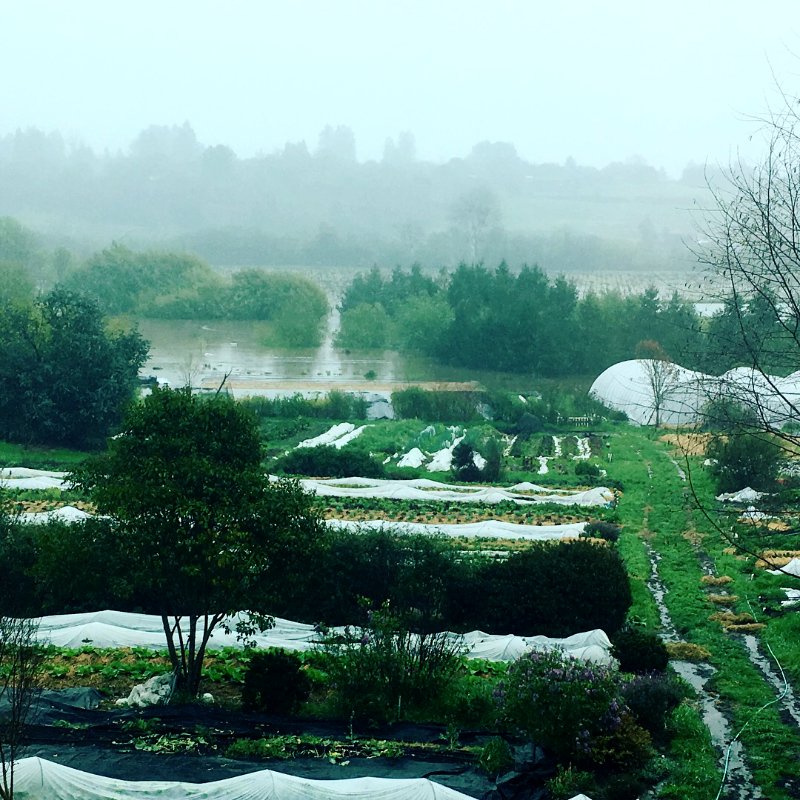 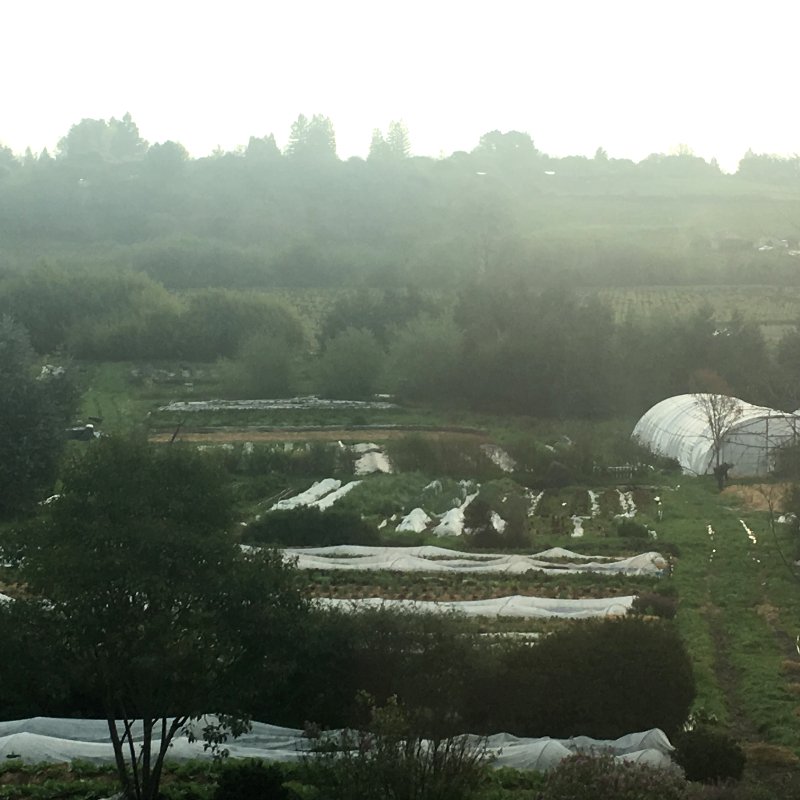 Up: Singing Frogs Farm during a flooding event in 2023; Down: 24 hours later, the floodwaters have drained away. Paicines Ranch, further south in San Benito County, is another leader in regenerative agriculture. Paicines integrates livestock into their vineyards year-round in imitation of natural ecosystems, cultivates biodiversity, and also avoids tilling. Paicines has experienced “no runoff from our vineyard since we began managing it regeneratively in 2017, despite being situated atop a hill, and I am eager to see how our soils perform with more rain coming,” said Kelly Mulville, the ranch’s vineyard director. “The vineyard soils are now capable of holding all the water this past series of storms has poured on it.” (Disclosure: The owner of Paicines Ranch is a financial supporter of Civil Eats.) Regenerative organic farmers understand that extreme weather patterns are not novel. California’s history is one of drought, flood, and fire that cannot be conquered. Nor should they be; these forces have shaped an abundant landscape, one which has supported human civilization for millennia. But as climate change increases the severity and variability of these forces, adaptation is as important as ever. Ecologically minded farmers are keen observers of nature. Instead of fighting against it, they harness its natural processes to grow food. Instead of simplifying landscapes, they cultivate biodiversity above and belowground, which creates resilience. The healthy soils on these farms are full of life and decaying matter, commonly referred to as soil organic matter. This life creates soil pores (up to 50 percent of total soil volume) and glues particles together, allowing water to infiltrate rapidly without washing it away or drowning plants. Source: Ryan's Peterson article from Civil Eats Professor Apichart Vanavichit, PhD, Rice Genomic Breeding Expert at Rice Science Center, heralds the next green revolution of organic riceRice is a major food crop for more than half of the world’s population and a crucial export commodity for Thailand. Despite the success story of the first Green Revolution in 2005, new rice varieties developed in Thailand negatively impact the environment and well-being of rice farmers in irrigated areas. On the other hand, based on chemical-free cultivation practices, organically grown rice conserves the environment and genetic diversity, and enhances the nutritional properties of harvested rice. Nevertheless, grain yield generally makes up half of chemical-rich irrigated rice. Most importantly, the lack of resistance to diseases, insect pests and environmental stressors makes organic rice vulnerable and risky for crop loss. As a result, rice prices are significantly higher, with lower outputs from organic cultivation than non-organic rice. However, significantly increased productivity and enhanced resistance in organic cultivation sustain organically-grown rice and benefit consumers by reducing the market price. Breaking the plateau of grain yield in organic rice is a grand challenge for rice breeders to comprehend any limitations and provide genetic solutions to enhance the efficiency and productivity of organically-grown rice. One approach involves the high genetic diversity of Indica x Japonica crosses to maximize heterosis, the genetic phenomenon when progenies outperform their parental lines in grain yield and productivity. The recent gathering of rice scientists and breeders around the world at the 19th International Symposium on Rice Functional Genomics in Phuket, Thailand reports an understanding of precision breeding for organic rice. New ideotypes of organic rice breedingWe have designed a new rice ideotype to fit into organic cultivation. The key features are high productivity, high water and nutrient use efficiency WUE, intermediate plant height, intermediate maturity, strong stem, resistance to all biotic and abiotic stresses, resiliency to climate change and pyramiding. All resistance genes in elite rice varieties are achieved by pyramiding into existing nutrient-rich rice, high-yielding cultivars with good broad-spectrum resistance to both diseases and insect pests, tolerance to abiotic stresses, improved agronomic traits, increased photosynthetic efficiency and enhanced interaction with microbiota. Climate-ready, nutrient-rich riceThailand Rice Science Center has relentlessly developed the first four rice models for organic farming since 2000 until today. We have undertaken four organic breeding programs selected under organic cultivation systems: Super Riceberry-Rainbow Rice, Super Low GI White Rice, Super Jasmine Rice and Super Waxy Rice. Our main goal is to choose new rice varieties to significantly outperform local varieties of the same quality type under high pressure from diseases and insect pests in multiple target organic areas. The ultimate goal is to maximize yield and quality under optimum organic agricultural practices. To conclude, 50 rice varieties have broad-spectrum resistance to bacterial leaf blight, leaf blast, brown planthopper, and tolerance to flooding, extreme heat, salinity, acid sulfate soil and drought. In addition, rice varieties with improved water use efficiency, resistance to sheath rot, brown spots, and bacterial leaf streak have recently developed. These innovative rice varieties are key success stories of the green revolution in organic rice. 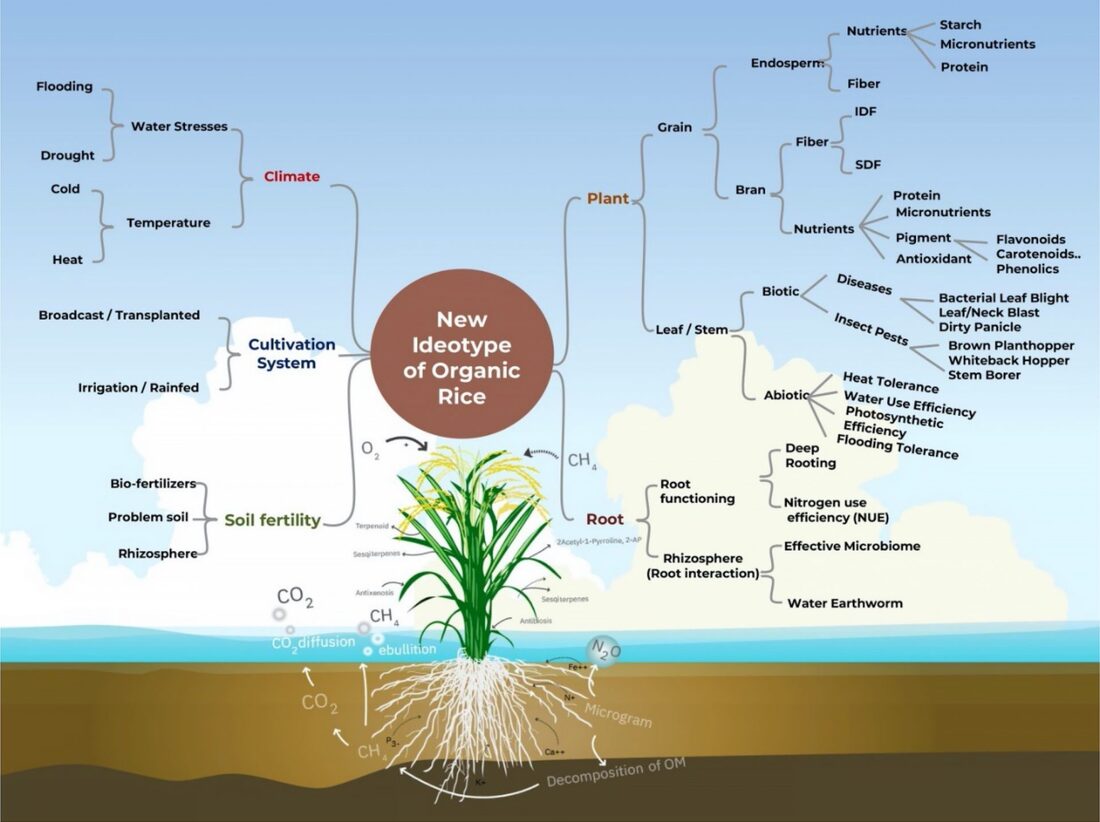 Rhizosphere-microbiome interaction – key to productivityDespite no addition of chemical fertilizers, rice can be pretty productive under organic cultivation, albeit with lower grain yield in many cases. Nature’s secret depends on the genetic makeup of rice and soil microbiome. The rhizosphere and the soil environment near the rice root surface are crucial interfaces for water and nutrient absorption, releasing root exudates and interacting with soil microbiota. Gaseous exchange between roots and microbial community occurs here, enabling methane to escape from submerged soil to the atmosphere and become a greenhouse gas. The rice rhizosphere accommodates large numbers of microbial communities, including endophytes, rhizosphere bacteria and fungi. However, the intensive application of N-P-K fertilizers adversely affects the abundance and diversity of the microbial community in the rhizosphere responsible for nitrification, N2 fixation, and tolerance to problematic soil. On the other hand, the main advantage of organic rice cultivation is more diversity of soil microbiota associated with rice rhizosphere. Recently, there have been reports on PGP and plant growth promotor microbes, including endophytic stenotrophomonas and Piriformospora indica. To conclude, we have detailed the success story of organic rice breeding by precision rice breeding involving multiple gene pyramiding to generate sustainable, productive, nutritious rice varieties that are resilient to climate change. Acknowledgement This project was supported by the BBSRC Newton Rice Research Initiative BB/N013646/1, National Science and Technology Development Agency (NSTDA) (Grant No. P-16- 50286), and NSRF via the Program Management Unit for Human Resources and Institutional Development, Research, and Innovation (Grant No. B16F630088). The next green revolution of organic rice
Article for organic source: https://www.openaccessgovernment.org/article/green-revolution-organic-rice-yield-environment/149446/ We have warned the public before with an article from Indepedent Media Institute with the title Can Eating Organic Help Prevent Parkinson’s Disease? Now we see the matter coming back again from the mainstream published Media: For decades, Swiss chemical giant Syngenta has manufactured and marketed a widely used weed-killing chemical called paraquat, and for much of that time the company has been dealing with external concerns that long-term exposure to the chemical may be a cause of the incurable brain ailment known as Parkinson’s disease.Syngenta has repeatedly told customers and regulators that scientific research does not prove a connection between its weedkiller and the disease, insisting that the chemical does not readily cross the blood-brain barrier, and does not affect brain cells in ways that cause Parkinson’s. But a cache of internal corporate documents dating back to the 1950s reviewed by the Guardian suggests that the public narrative put forward by Syngenta and the corporate entities that preceded it has at times contradicted the company’s own research and knowledge. And though the documents reviewed do not show that Syngenta’s scientists and executives accepted and believed that paraquat can cause Parkinson’s, they do show a corporate focus on strategies to protect product sales, refute external scientific research and influence regulators. In one defensive tactic, the documents indicate that the company worked behind the scenes to try to keep a highly regarded scientist from sitting on an advisory panel for the US Environmental Protection Agency (EPA). The agency is the chief US regulator for paraquat and other pesticides. Company officials wanted to make sure the efforts could not be traced back to Syngenta, the documents show. And the documents show that insiders feared they could face legal liability for long-term, chronic effects of paraquat as long ago as 1975. One company scientist called the situation “a quite terrible problem” for which “some plan could be made … ” That prediction of legal consequences has come to pass. Thousands of people who allege they developed Parkinson’s because of long-term chronic effects of paraquat exposure are now suing Syngenta. Along with Syngenta, they are also suing Chevron USA, the successor to a company that distributed paraquat in the US until 1986. Both companies deny any liability and maintain that scientific evidence does not support a causal link between paraquat and Parkinson’s disease. “Recent thorough reviews performed by the most advanced and science-based regulatory authorities, including the United States and Australia, continue to support the view that paraquat is safe,” Syngenta said in a statement to the Guardian. During the years Chevron USA’s predecessor sold paraquat, “it regularly reviewed and considered scientific studies regarding the safety of its products, including paraquat,” Chevron USA said in a statement to the Guardian, adding that none of the studies reviewed “showed a causal link between paraquat and Parkinson’s disease”. Chevron USA said the company “does not believe that [its former subsidiary that sold paraquat] had any role in causing the plaintiffs’ illnesses and will vigorously defend against the allegations in the lawsuits”. As part of a court-ordered disclosure in the litigation, the companies provided plaintiffs’ lawyers with decades of internal records, including hand-written and typed memos, internal presentations, and emails to and from scientists, lawyers and company officials around the world. And though the files have not yet been made public through the court system, the Guardian has reviewed hundreds of pages of these documents in a reporting collaboration with the New Lede. Among the revelations from the documents: scientists with Syngenta predecessor Imperial Chemical Industries (ICI) and Chevron Chemical were aware in the 1960s and 70s of mounting evidence showing paraquat could accumulate in the human brain. When Syngenta’s own internal research showed adverse effects of paraquat on brain tissue, the company withheld that information from regulators while downplaying the validity of similar findings being reported by independent scientists. In addition, the records show company scientists were aware of evidence that exposure to paraquat could impair the central nervous system (CNS), triggering tremors and other symptoms in experimental animals similar to those suffered by people with Parkinson’s. A 1975 Chevron communication speaks of concerns about allegations of “permanent CNS effects from paraquat”. And as independent researchers continued to find more and more evidence that paraquat may cause Parkinson’s, the documents describe what Syngenta called an “influencing” strategy “that proactively diffuses [sic] the potential threats that we face” and seeks to “maintain and safeguard paraquat registrations”, referring to their regulatory approvals. The strategy “must consider how best to influence academia, and regulatory and NGO environments”. A Syngenta “regulatory strategy” document from 2003 refers to paraquat as a “‘blockbuster’ product” that must be “vigorously” defended to protect more than $400m in projected annual global sales. Ensuring what Syngenta called its “freedom to sell” paraquat was a top priority, the internal records show. Syngenta also created a website the company used to publicly dismiss concerns about links between paraquat and Parkinson’s disease and provide positive product messaging. On that website, the company asserted that paraquat did not readily cross the blood-brain barrier, even when the company had evidence from animal and human data that paraquat accumulated in brain tissue. The company no longer uses that language on its website. “It is highly unethical for a company not to reveal data they have that could indicate that their product is more toxic than had been believed,” said Bruce Blumberg, professor of developmental and cell biology at the University of California, Irvine, speaking generally about corporate conduct. “[These companies are] trying to maximize profits and they jeopardize public health, and it shouldn’t be allowed. That is the scandal.” ‘A unique herbicide’Paraquat is one of the most widely used weed killing chemicals in the world, competing with herbicides such as glyphosate, the active ingredient in Monsanto’s Roundup brand for use in agriculture. Farmers use it to control weeds before planting their crops and to dry out crops for harvest. In the United States, the chemical is used in orchards, wheat fields, pastures where livestock graze, cotton fields and elsewhere. As weeds have become more resistant to glyphosate, paraquat popularity has surged. AdvertisementIt is used on approximately 15m acres of US farmland. US government data shows that the amount of paraquat used in the United States has more than tripled between 1992 and 2018. On the Syngenta-run Paraquat Information Center website, the chemical is described as “a unique herbicide” that “can deliver safe, effective weed control, generating social and economic benefits, while protecting the land for future generations”. Paraquat has been the subject of more than 1,200 safety studies submitted to, and reviewed by, regulatory authorities around the world, according to Syngenta. Though it is widely used, paraquat has long been known to be dangerous to ingest – a tiny swallow of the chemical can kill a person within days. Scores of people around the world have died from ingesting paraquat either intentionally or accidentally. The EPA restricts use only to people certified to apply it. It is not sold to consumers, and paraquat warning labels carry the symbol of death – a skull and crossbones. Syngenta maintains on its website that if users follow directions and wear proper protective clothing, including gloves and boots, “there is no risk to human safety”. Paraquat is “not a neurotoxicity hazard,” and “does not cause Parkinson’s disease”, the company states. Despite the company’s claims, dozens of countries have banned paraquat, both because of the acute dangers and mounting evidence of links to health risks such as Parkinson’s from chronic, long-term exposure. Syngenta currently sells paraquat products in more than two dozen countries, from Australia to Uruguay. AdvertisementParaquat was banned in the European Union in 2007 after a court found that regulators did not thoroughly assess safety concerns, including scientific evidence connecting Parkinson’s to paraquat. It is also banned in the UK, although it is manufactured there. The chemical was banned in Switzerland, Syngenta’s home country, in 1989. And it is banned in China, the home base for ChemChina, which purchased Syngenta five years ago. In the US, the EPA has largely agreed with Syngenta and other chemical companies that say paraquat can be safely used. Last year, the EPA said it would continue to allow farmers to use paraquat, including spraying it across fields from small airplanes. A ‘Parkinson’s pandemic’Concerns about possible ties between paraquat and Parkinson’s disease have grown as the spread of Parkinson’s has accelerated; the disease is now considered one of the world’s fastest-growing neurological disorders. Prevalence of Parkinson’s more than doubled from 1990 to 2015 and is expected to continue to expand rapidly, impacting millions of people around the world. Along with paraquat, toxins in air pollution and other pesticides, and to a smaller extent genetic factors, also are considered by many researchers as risk factors for the disease. Roughly 60,000 Americans are diagnosed each year with Parkinson’s, and in recent years it has been ranked among the top 15 causes of death in the United States, according to the Centers for Disease Control and Prevention. Moreover, the death rate from Parkinson’s has climbed more than 60% in the United States over the past two decades, according to research published last year. It is considered the fastest-growing neurological disease in the world. As a disease of the central nervous system, common Parkinson’s symptoms include tremors, or a rhythmic shaking in arms and legs, stiffness and rigidity of the muscles, a loss of balance and coordination, and difficulty speaking. Parkinson’s symptoms develop when dopamine-producing neurons in a specific area of the brain called the substantia nigra are lost or otherwise degenerate. Without sufficient dopamine production, the brain is not capable of transmitting signals between cells to control movement and balance “The Parkinson’s pandemic has exacted an enormous toll on tens of millions of individuals who bear the brunt of the disease,” Ray Dorsey, a neurologist at the University of Rochester Center for Health + Technology in New York, wrote in a 2020 book about the rise of the disease. Dorsey is one of a number of leading scientists from around the world who say research clearly shows paraquat exposure can cause Parkinson’s disease. “Paraquat is considered the most toxic herbicide ever created,” Dorsey said in an interview. Syngenta said the weight of evidence actually shows that paraquat does not cause Parkinson’s and said a 2021 study co-authored by its chief medical office backs that position. The company also pointed to a 2020 update to the US Agricultural Health Study (AHS) as supporting its position. (The 2020 AHS looked at a much larger group of people than prior AHS research has linked paraquat to Parkinson’s, however.) “There is no properly designed epidemiological study that shows a link between paraquat and Parkinson’s disease,” the company said in a statement. “To this day, and despite hundreds of studies being conducted in the past 20 or so years, a causal link between Paraquat and Parkinson’s disease has not been established,” Chevron USA said in a statement to the Guardian. Source: Guardian and US news Organic Oregano
£3.40
Organic Oregano,
Organic certified oregano handpicked from island areas of Western Greece Origin: Greece Buy it now from Organic ekiosk site Richer in nutrients and dietary fiber, organic food would also reduce exposure to pesticides. Interview with Denis Lairon, nutritionist and research director emeritus at Inserm (National Institute for Health and Medical Research). According to the Barometer of the perception and consumption of organic products published in March 2022, 9 out of 10 French people consume organic (91%). What is the impact of this diet on health? Answers with Denis Lairon, nutritionist and research director emeritus at Inserm (National Institute for Health and Medical Research). Eating organic would be better for your health. Is it true ? Organic foods are better in terms of nutritional values. It is noted that in vegetable products, there is less water, especially for vegetables. According to studies, we also notice that there is more magnesium, iron and zinc. Consumers of organic products also have a better diet. For example, they choose more cereals made from brown or wholemeal flours, and pulses, which are rich in nutrients, minerals and dietary fibre. This has a major impact on their nutritional status. We observe that those who regularly eat organic have significantly higher nutritional intakes than those who never eat organic. Organic enthusiasts are also less inclined to buy animal products (meat and dairy products). Conversely, they consume twice as many fruits and vegetables, unrefined cereals... We also measure between 40 and 80% reduction in exposure to pesticides. Scientific work published with the NutriNet-Santé cohort since 2013 and by the BioNutriNet study also indicates that eating organic reduces the risk of obesity and overweight... In 2013, we worked on a sample of 54,000 adults at any given time. We have observed that among regular consumers of organic (about 60-70% of their food), the risk of becoming obese is reduced by 50%. In our second study, we followed 62,000 people over three years, and found that there was a 30% reduction in the risk of obesity and overweight. These results are confirmed by two other studies carried out worldwide, in Germany and the United States. What about other diseases? For cardiovascular risk, we studied the metabolic syndrome. It is characterized by abdominal overweight, hypertension and increased blood sugar. We found that there was a 31% reduction in the risk of having metabolic syndrome for people who regularly ate organic compared to those who never ate organic. For type 2 diabetes, 33,000 men and women were followed for 6 years. The overall result is a 35% reduction in the risk of having type 2 diabetes if you eat organic food regularly. The difference is much more marked in women than in men. Another study on 70,000 adults finally indicates a 25% drop in the overall risk of cancer among organic consumers.  Source: See article for organic here
From providing drinking water to leaving grass to grow: here are eight easy ways to help wildlife this summer. Many of us are aware that wildlife needs extra help to survive during the cold winter months – but lots of creatures also need a helping hand when the weather's hot and sunny. So how can we help wildlife in summer? Here are 8 easy actions! #1 Give birds a drink If you only do one thing, providing water for the wildlife in your garden should be it. In a hot summer, water is as essential for birds as it is for us. During prolonged periods of dry weather, fresh drinking water is harder for birds to find, as natural sources such as streams and ponds may dry up. Bathing is important for birds too, to remove dirt and grit and keep their feathers in tip-top condition. 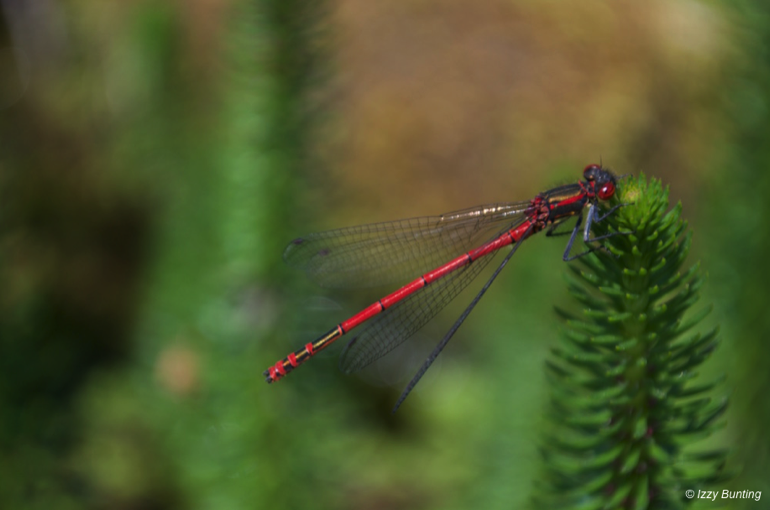 If you don't have a pond (more about ponds in a minute), the birds in your garden will really appreciate a birdbath. Most purpose-built birdbaths are designed with a shallow basin that gradually deepens – this will attract a variety of birds, as different birds like different depths of water to bathe in. It doesn't have to be a fancy birdbath, though – any shallow dish or container will do the same job. Try putting water out in a plant pot saucer or even an old frying pan! If the container has very smooth sides, smaller birds may not be able to grip onto it and may fall into the deeper water – putting some gravel or small pebbles in the container will help prevent this. 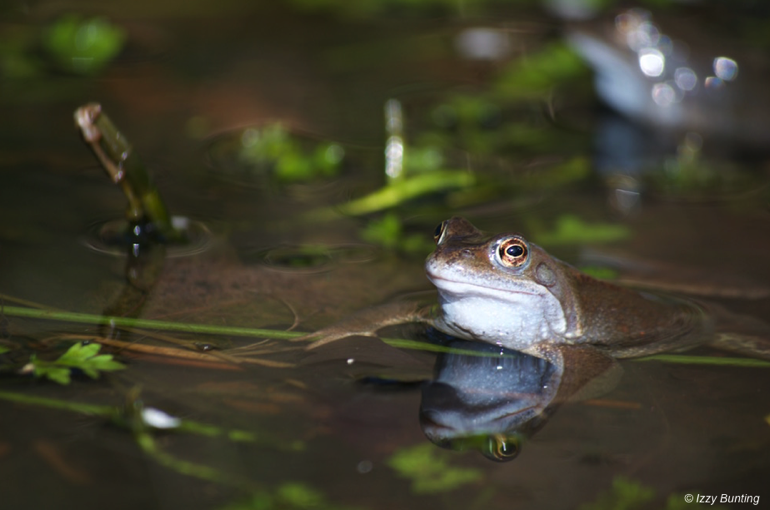 #2 Top up garden ponds If you have a garden pond, then you're already providing a great source of drinking and bathing water for birds – as well as for small mammals. Ponds also offer a habitat for many invertebrates, such as dragonflies and damselflies. Be sure to check the water level in your pond regularly, as shallow ponds in sunny positions can dry up, leaving pond creatures stranded. If you have access to rainwater from a water butt it's best to use this to top up the pond, as this maintains the correct ecological conditions. But tap water is better than nothing if that's all you have – just top up little and often to avoid altering the water quality too much. If your pond is deep, make sure there's a gently sloping access and exit point for small animals – a few strategically placed stones can help. Although hedgehogs can swim a little, they may drown if they become trapped in a steep-sided pond or trough. #3 Make a bee bowl It's not just birds that need a drink. Bees need water too. Many natural sources are too deep or fast-flowing for bees, and they can they drown in water bowls and birdbaths. So why not make a bee bowl? Find or buy a shallow container – a terracotta saucer from the garden centre works well – and fill it with small pebbles or marbles. Then fill with water, making sure that plenty of pebbles stand out of the water, to give the bees something to land on. You'll need to top up birdbaths and bee bowls every day with fresh water – and birdbaths may need cleaning with hot soapy water if droppings accumulate. #4 Grow nectar-rich plants for butterflies Butterflies are in trouble: of the 57 species monitored by the UK Butterfly Monitoring Scheme, 35 have declined in the past 40 years. This year is the 50th anniversary of wildlife charity Butterfly Conservation, so it's a good time to think about how we can help the butterflies that visit our gardens – and how to help prevent any further declines. Habitat loss is one contributing factor, so butterfly-friendly gardens are vital. And if you want a summer garden full of butterflies there are lots of plants that will attract them. Chose a sunny, sheltered spot for your nectar-rich garden – and avoid frilly, double flowers, which contain little nectar and pollen and are hard for bees and butterflies to get in and out of. 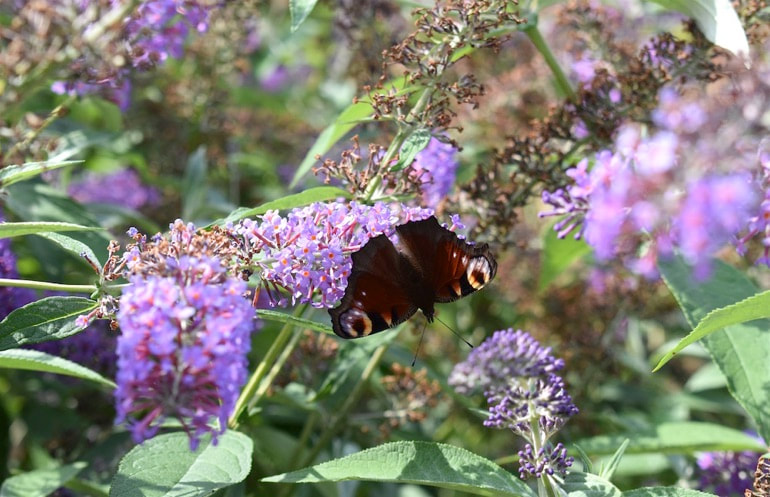 Buddleia is one of the best plants to grow for butterflies. Also known as the 'butterfly bush', it is easy to grow, as it will thrive in almost any soil or situation. Other great plants for attracting butterflies include scabious, lavender, marjoram and verbena bonariensis. Also include some plants that flower later in the year, such as sedums and Michaelmas daisies – this will give hibernating butterflies the energy boost they need to get them through the colder months. # 5 Grow plants for caterpillars It's not just the adult butterflies that need to eat – caterpillars need nutrition too. So grow some butterfly larval food plants as well as nectar-rich blooms. One of the best caterpillar-friendly plants is the stinging nettle. Peacocks, red admirals, commas and tortoiseshells – not to mention many species of moth – will all lay their eggs on nettles. So if you have a patch of stinging nettles in your garden, try to avoid cutting them back. Garlic mustard – also known as Jack-by-the-hedge – is a favourite food of orange-tips, and painted ladies will lay eggs on thistles. 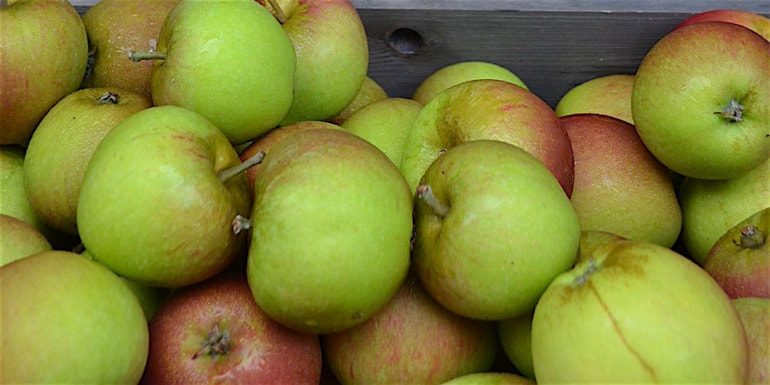 #6 Leave windfall fruits in situ Leaving windfall apples and plums under the tree can provide a useful source of food for butterflies, bees and small mammals. Butterflies also love ripe bananas, so if you have an over-ripe banana in your fruit bowl, try putting it out for butterflies to feed on instead of throwing it away. You can just place it on the grass – or make a simple feeder by twisting thick wire into a spiral and suspending it from a tree. 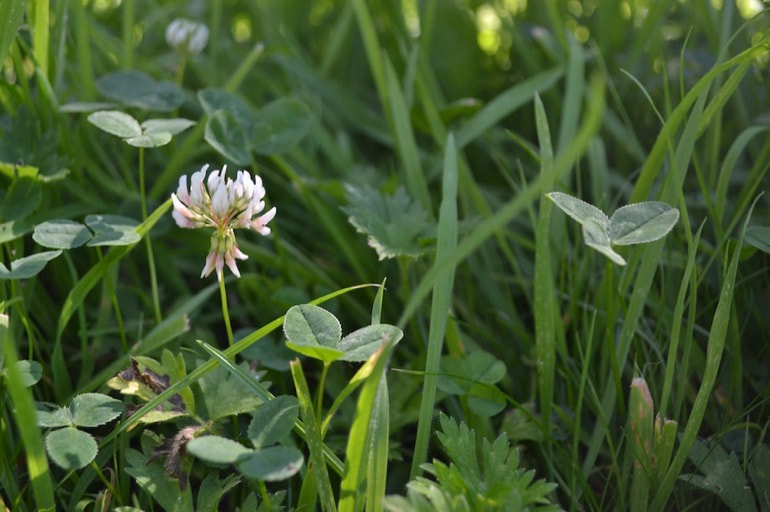 #7 Grow the grass long
Leaving a patch of unmown grass in a corner of the garden is a great way to help all kinds of wildlife. Bumblebees nest in long grass, and it gives small mammals, amphibians and invertebrates like butterflies a cool, shady place to hide and shelter. #8 …and say no to pesticides Avoid the use of pesticides, which kill butterflies and other pollinating insects, and also kill ground beetles, spiders and beneficial insects such as ladybirds. Source: http://littlegreenspace.org.uk/features/Helping-wildlife-in-summer.html |
Archives
January 2023
Categories
All
|
 RSS Feed
